Yellowstone National Park: 3 Iconic Sights & 5 Hidden Gems
Yellowstone National Park spans more than 2.2 million acres of spectacular wilderness and sits atop the Yellowstone Caldera, one of the world's largest active volcanic systems. Famous for iconic attractions like Old Faithful and Grand Prismatic Spring, Yellowstone is home to more than 10,000 geothermal features, including geysers, hot springs, mud pots, and fumaroles. Beyond its thermal wonders, visitors can explore towering waterfalls, colorful canyons, pristine lakes, scenic drives, and miles of hiking trails. The park also offers some of the best wildlife viewing in North America, with opportunities to see bison, elk, wolves, grizzly bears, black bears, moose, and pronghorn roaming freely across this extraordinary landscape.
Whether you're planning your first visit or returning for another adventure, Yellowstone's size and endless attractions can feel overwhelming. That's where my travel guide can help.
Don’t want to write all this down? Want to learn more about Hot Springs, Geysers, and Waterfalls? Everything is in my Yellowstone National Park Adventures Travel Guide: day road trip routes, wildlife viewing locations, scenic drives, waterfalls, hikes, lodging options, RV parks, and insider planning tips to make your adventure easy. Spend less time researching and more time experiencing the magic of Yellowstone.
Be at the 3 most Popular spots in Yellowstone !!
#1: Grand Prismatic Overlook: Yellowstone's Most Iconic View
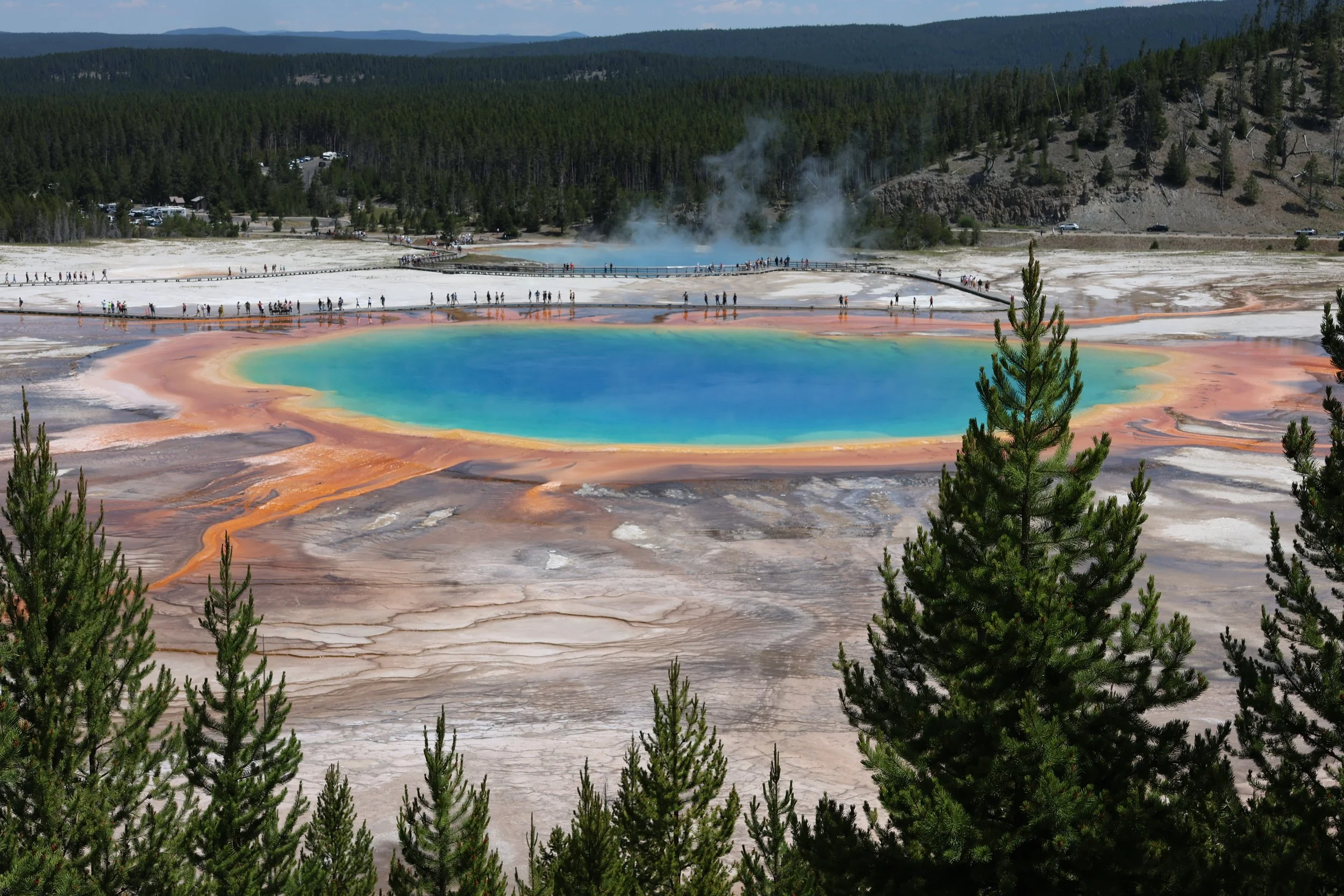
For the ultimate postcard view of Grand Prismatic Spring, take the Fairy Falls Trail to the Grand Prismatic Overlook. This popular viewpoint, opened in 2017, provides a breathtaking aerial perspective of Yellowstone's largest and most colorful hot spring.
The round-trip 1.5-mile hike starts level for the first portion before reaching a signed junction, where you turn left and climb gently about 130 feet to the overlook platform. From the viewing platform, you'll enjoy a spectacular panorama of the brilliant blue center surrounded by vibrant rings of yellow, orange, and red created by heat-loving microorganisms.
Pro Tip: Visit on a sunny day for the most vivid colors. Cooler temperatures, especially around 50°F, can cause steam from the hot spring to create a thick mist over the water. Sometimes the steam adds a dramatic effect for photographs, but it can also obscure the spring's famous colors.
#2: Grand Canyon of the Yellowstone River & Artist Point
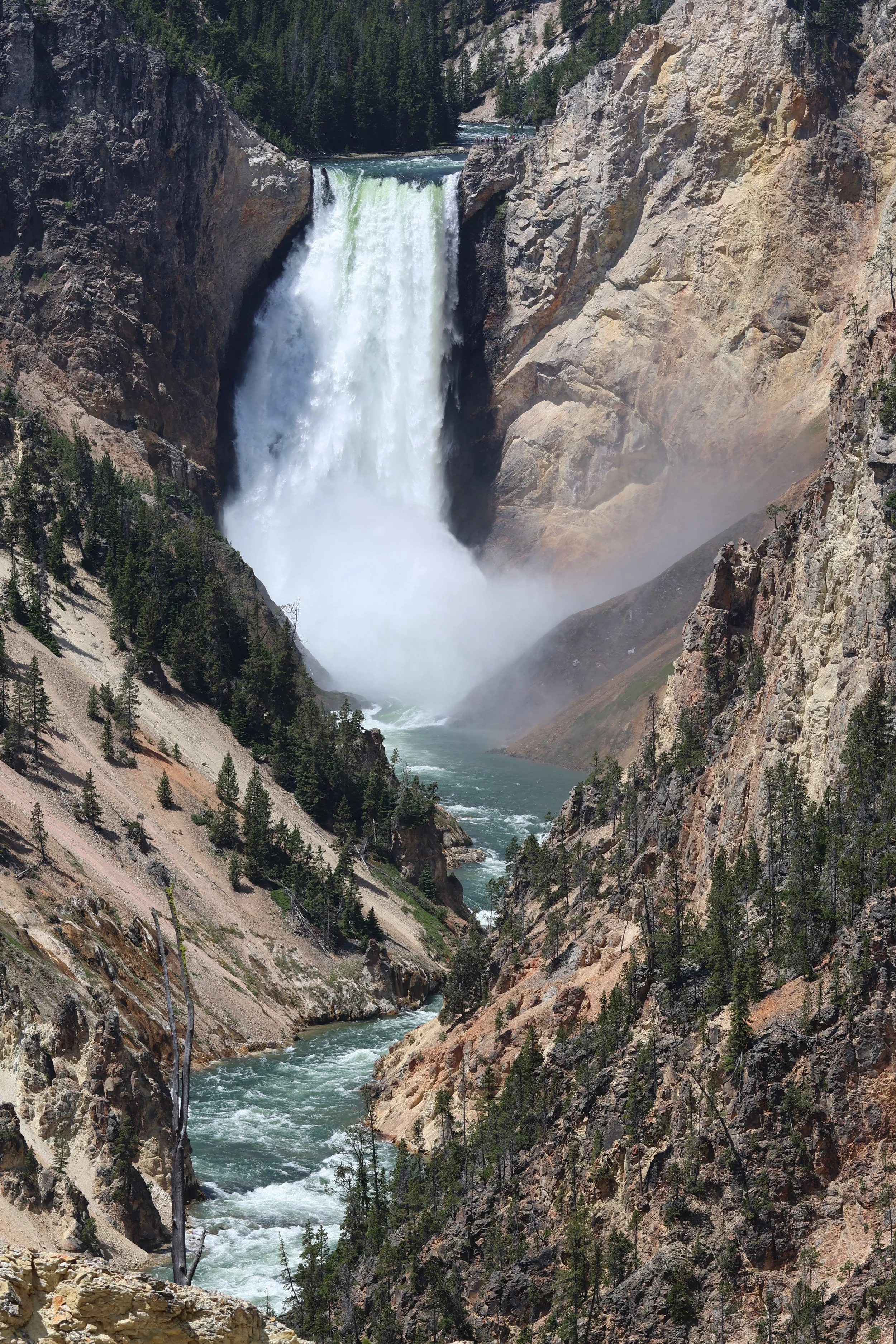
The Grand Canyon of the Yellowstone is one of the most breathtaking sights in the park. Carved by the powerful Yellowstone River, the canyon showcases dramatic walls of brilliant yellow, orange, and gold sandstone and mudstone, creating a landscape unlike anywhere else in Yellowstone. The star attraction is the magnificent Lower Falls, where the Yellowstone River plunges 308 feet into the canyon below.
The South Rim Trail provides access to several parking areas and scenic overlooks, allowing visitors to experience the canyon from multiple perspectives. One of the most popular stops is Artist Point, an easy paved walk that leads to spectacular viewpoints overlooking both the Lower Falls and the canyon. Be sure to take time to explore several overlooks along both the South and North Rim drives. Viewing the canyon from above the waterfalls, beside the canyon walls, and from downstream looking back toward the falls offers a completely different perspective at each stop.
Photography Tip: Visit early morning or late afternoon, when sunlight accentuates the canyon's brilliant yellow and orange hues, creating the dramatic scenes that inspired the name "Yellowstone."
#3: Old Faithful Geyser to Morning Glory Hot Springs
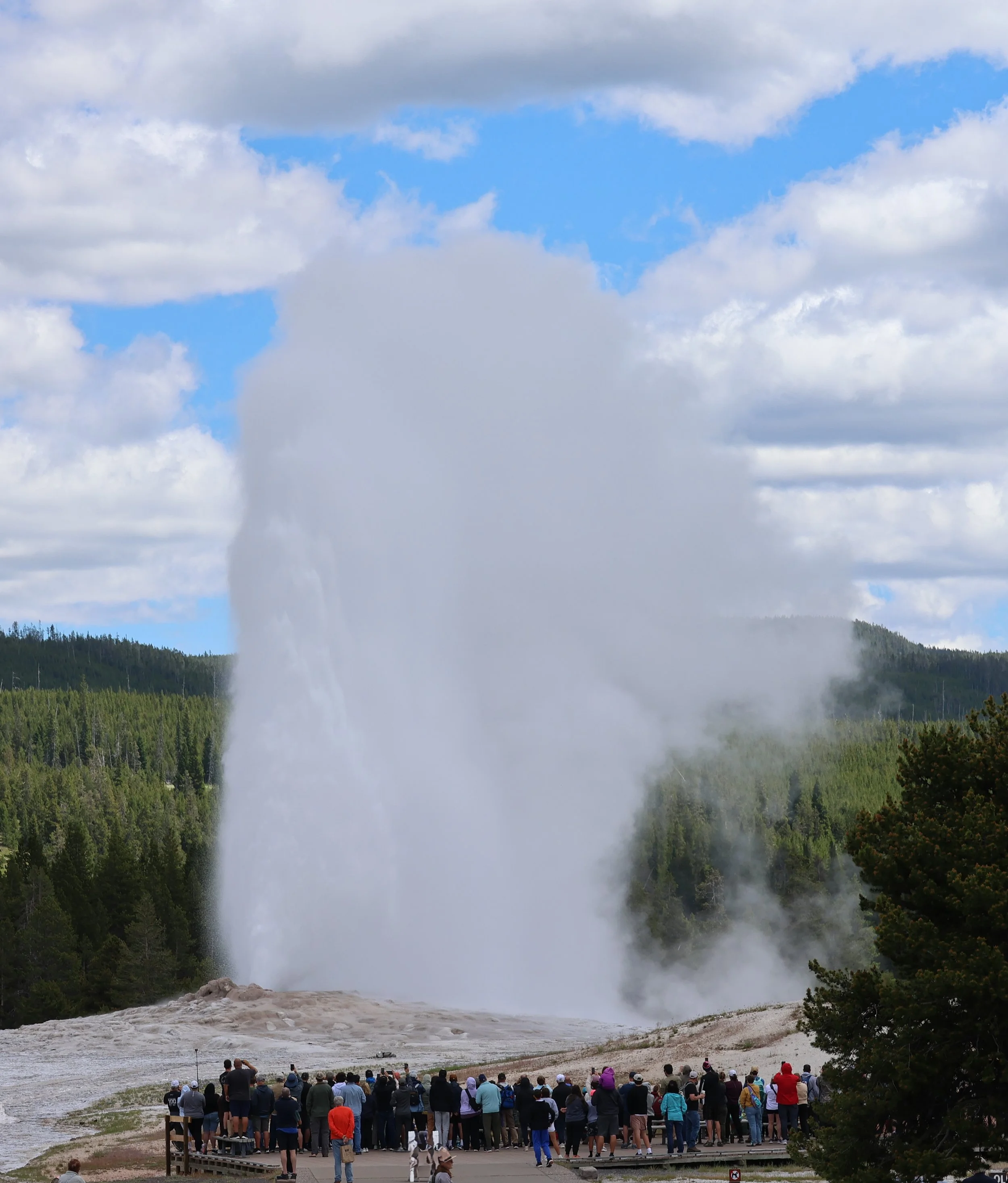
Visitors from around the world travel to Yellowstone National Park to witness the famous Old Faithful Geyser, one of the most recognizable natural wonders in America. While Yellowstone is home to more than 500 geysers, Old Faithful has earned its legendary status because of its remarkably predictable eruptions. Unlike most geysers, which erupt on highly irregular schedules, Old Faithful's eruption times can be forecast with surprising accuracy. Over the past several decades, its average interval between eruptions has changed by only about 30 minutes, making it one of the most reliable geysers in the world. Pro Tip: Arrive 15–20 minutes before the predicted eruption time to secure a great viewing spot, especially during the busy summer season.
One of Yellowstone's most enjoyable and rewarding easy walks begins at Old Faithful and follows the Upper Geyser Basin boardwalks to the stunning Morning Glory Pool, a 3-mile round trip. Along the route, you'll pass erupting geysers, steaming vents, colorful hot springs, and bubbling pools.
Pro Tip: Start early in the morning or later in the afternoon to avoid the largest crowds. The lower-angle sunlight also makes the colors of the hot springs and pools even more vibrant for photography.
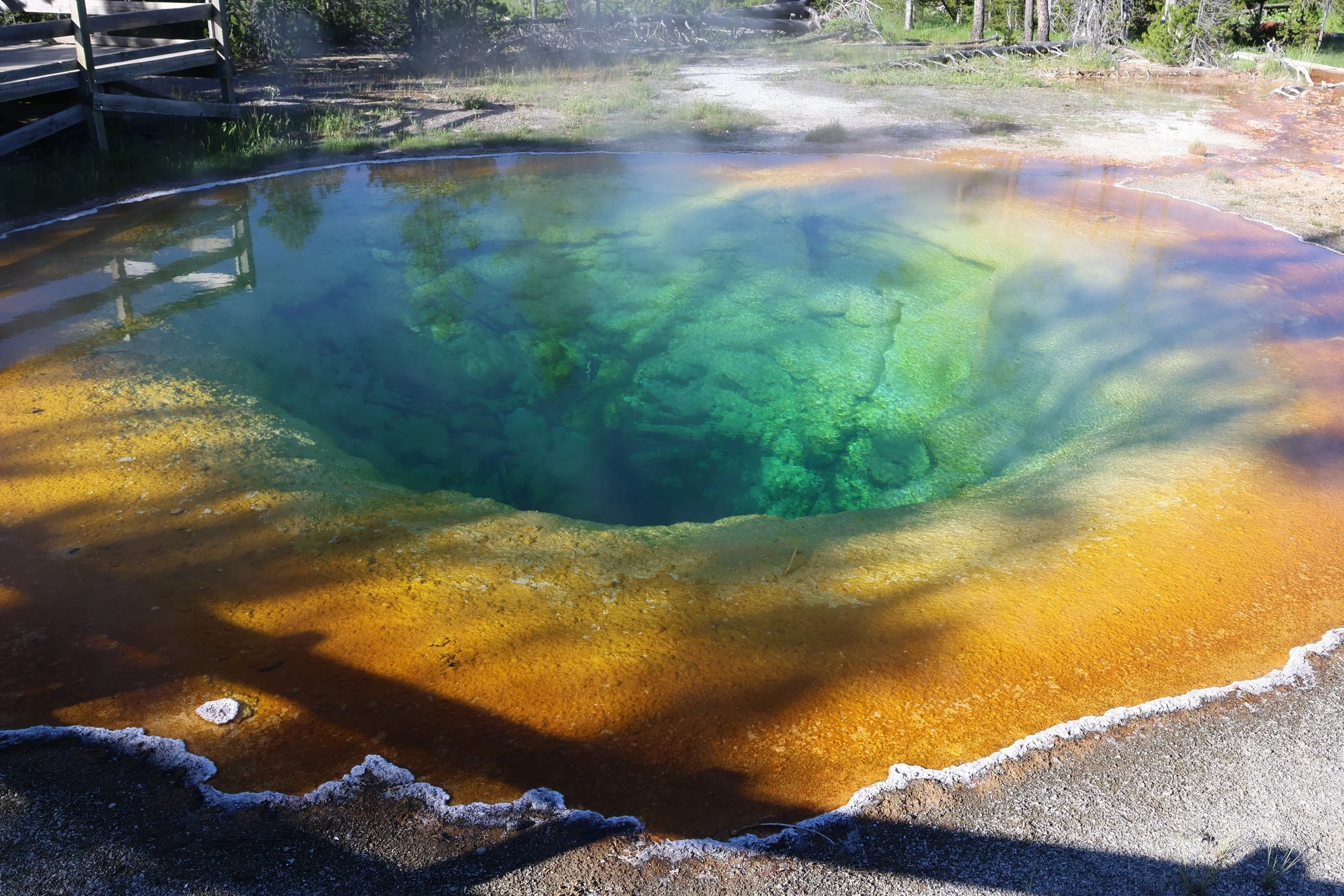
Morning Glory Pool, named for its resemblance to the morning glory flower, which was named in the 1880s. Its clear water and colorful "petals" make it one of my favorite geothermal features in the park!
Now for the 5 Hidden Gems!!
#1 Take a Scenic Drive: Firehole Lake Drive
Don't miss Firehole Lake Drive, one of Yellowstone's hidden gems. This quiet, one-way scenic drive is just three miles long, yet many visitors pass right by without realizing what they're missing. As you travel the loop, you'll encounter an impressive variety of geothermal features, including bubbling pools, colorful hot springs, and active geysers. Highlights along the drive include Firehole Lake, Surprise Pool, White Dome Geyser, Great Fountain Geyser, and numerous smaller thermal features that showcase Yellowstone's incredible geothermal activity.
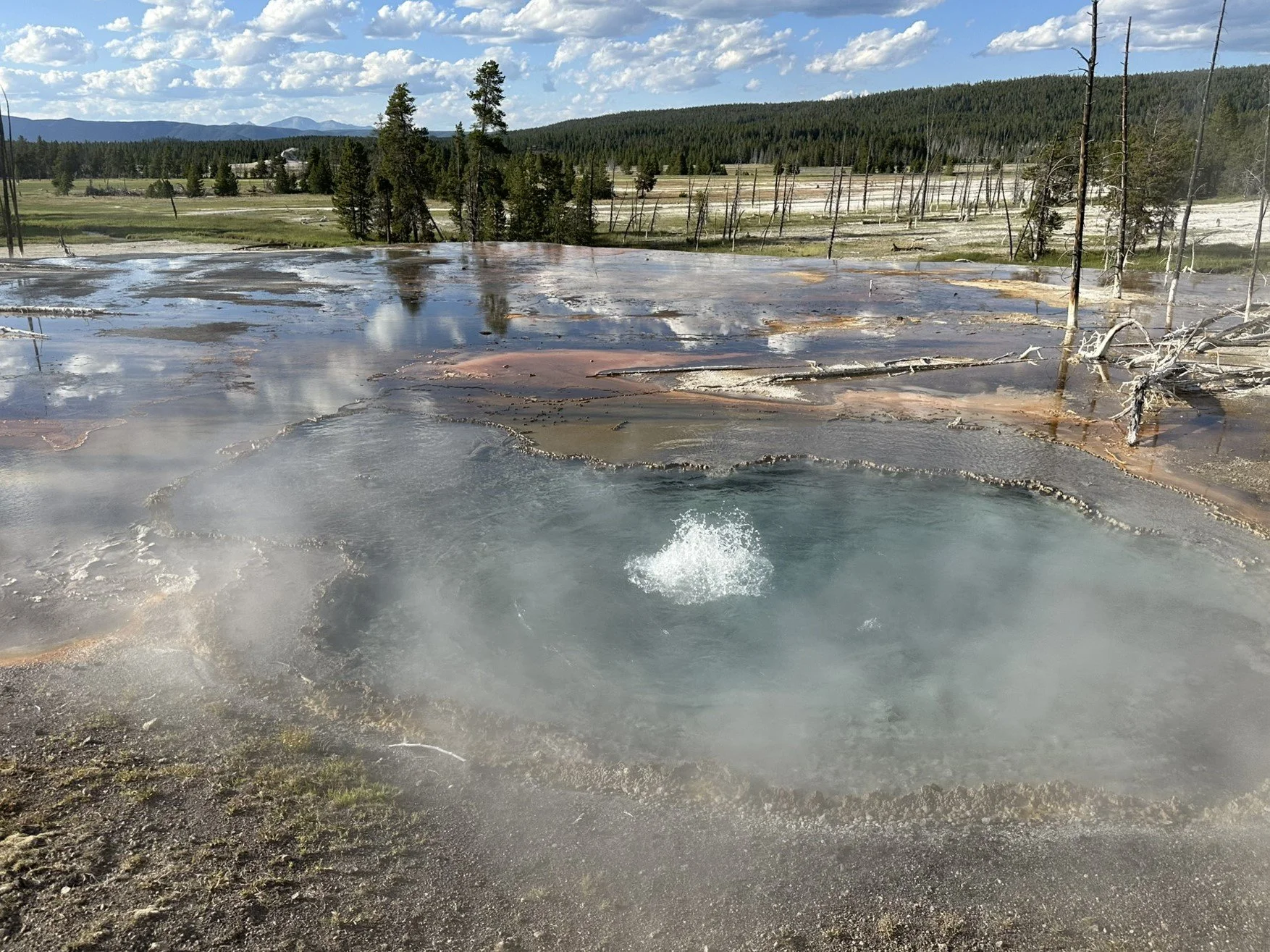
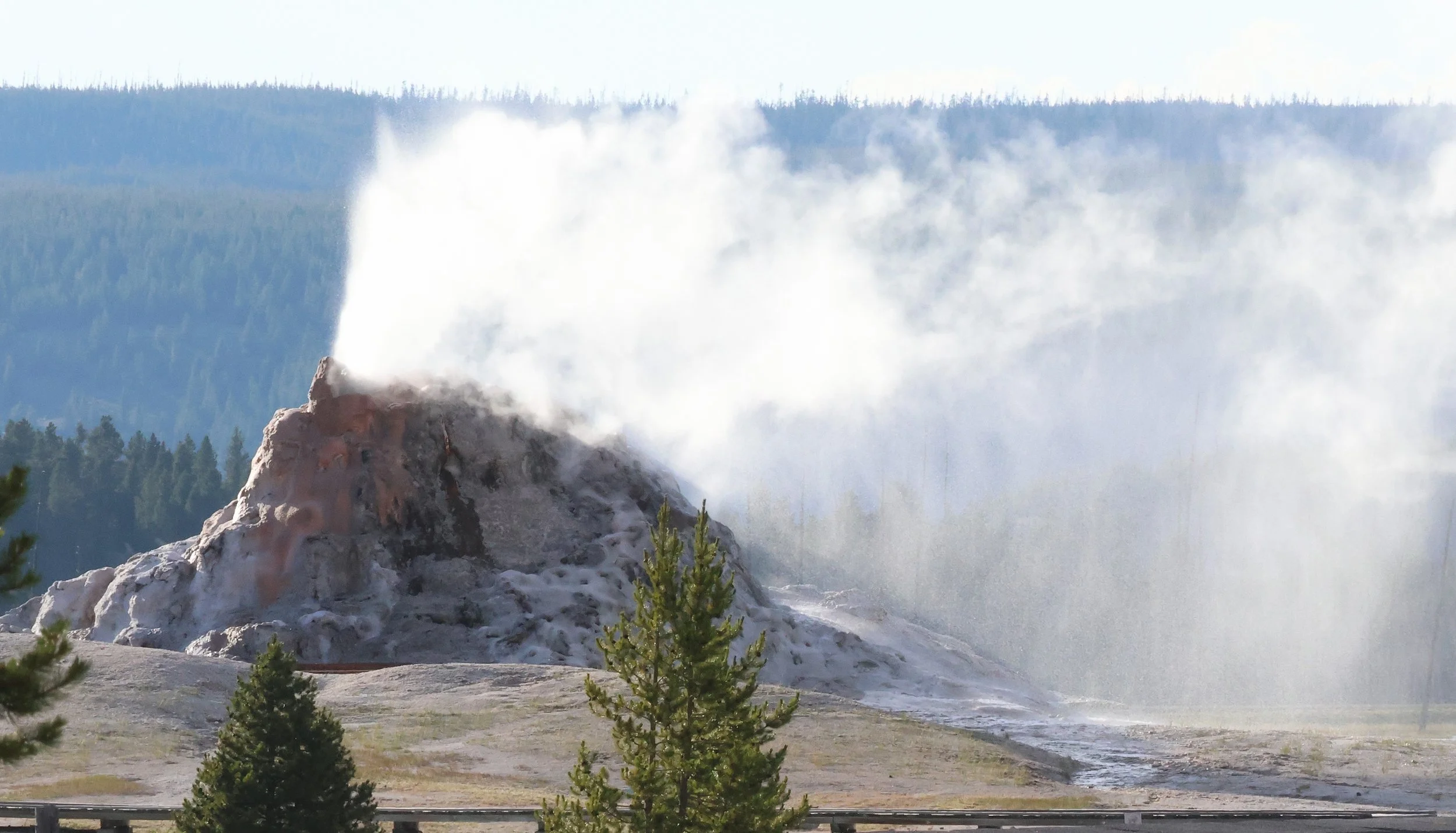
The cone-type White Dome Geyser offers highly unpredictable eruptions that can occur as frequently as 10 minutes apart or as rarely as three hours apart.
#2 Take a Hike: Trout Lake
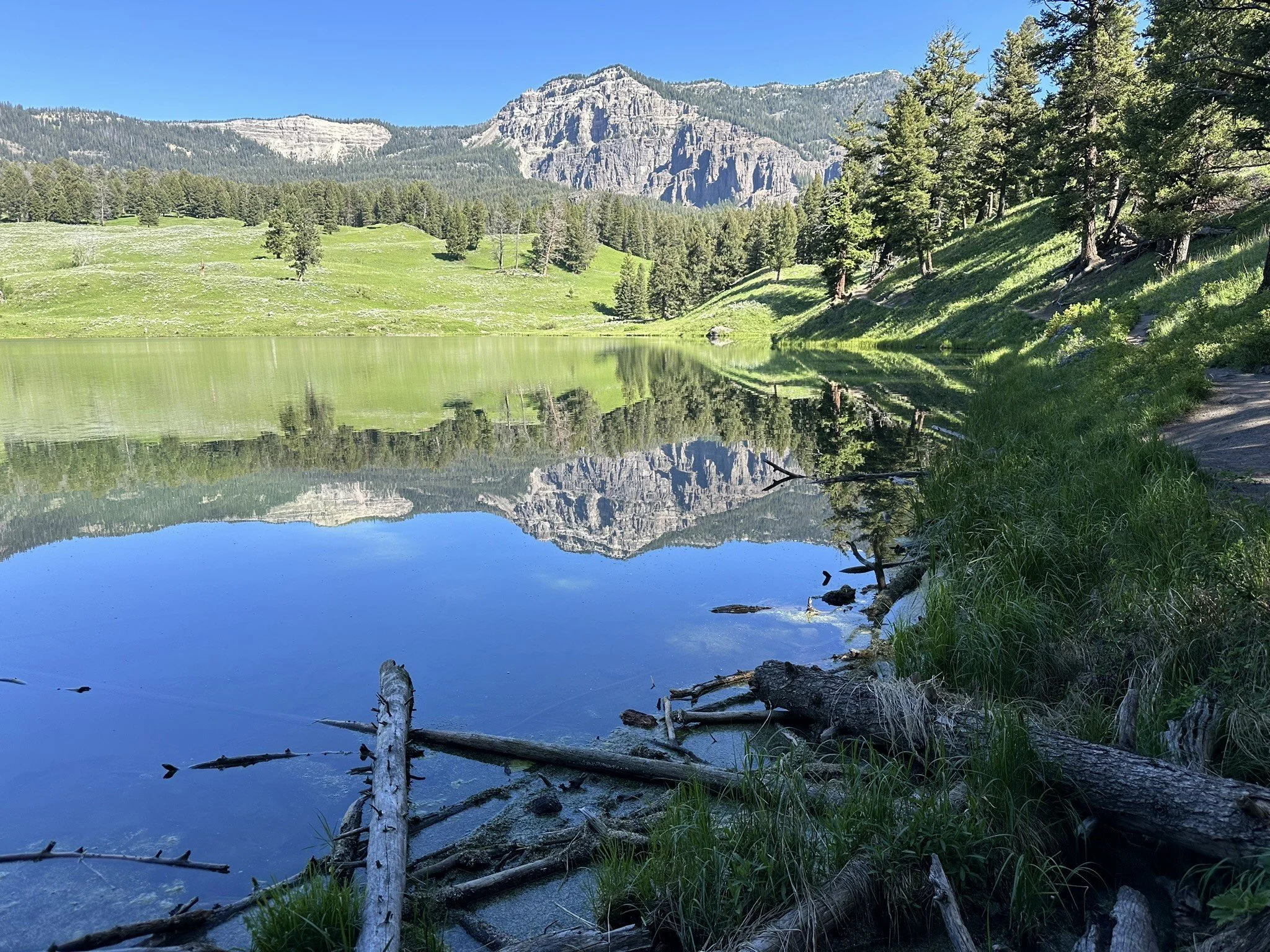
Looking for a peaceful hike and the perfect picnic spot? Trout Lake is one of Yellowstone's hidden treasures. The trail begins with a short but moderately steep climb of about 150 feet. Once you reach the lake, the remainder of the 1.2-mile loop is relatively level and easy. Early mornings are particularly magical. When the air is calm, the lake becomes a mirror, reflecting the surrounding mountains and forests to create a picture-perfect scene.
My goal is simple: to make your bucket-list adventures easier to plan, easier to book, and more enjoyable once you arrive. Planning your next epic travel adventure has never been easier!
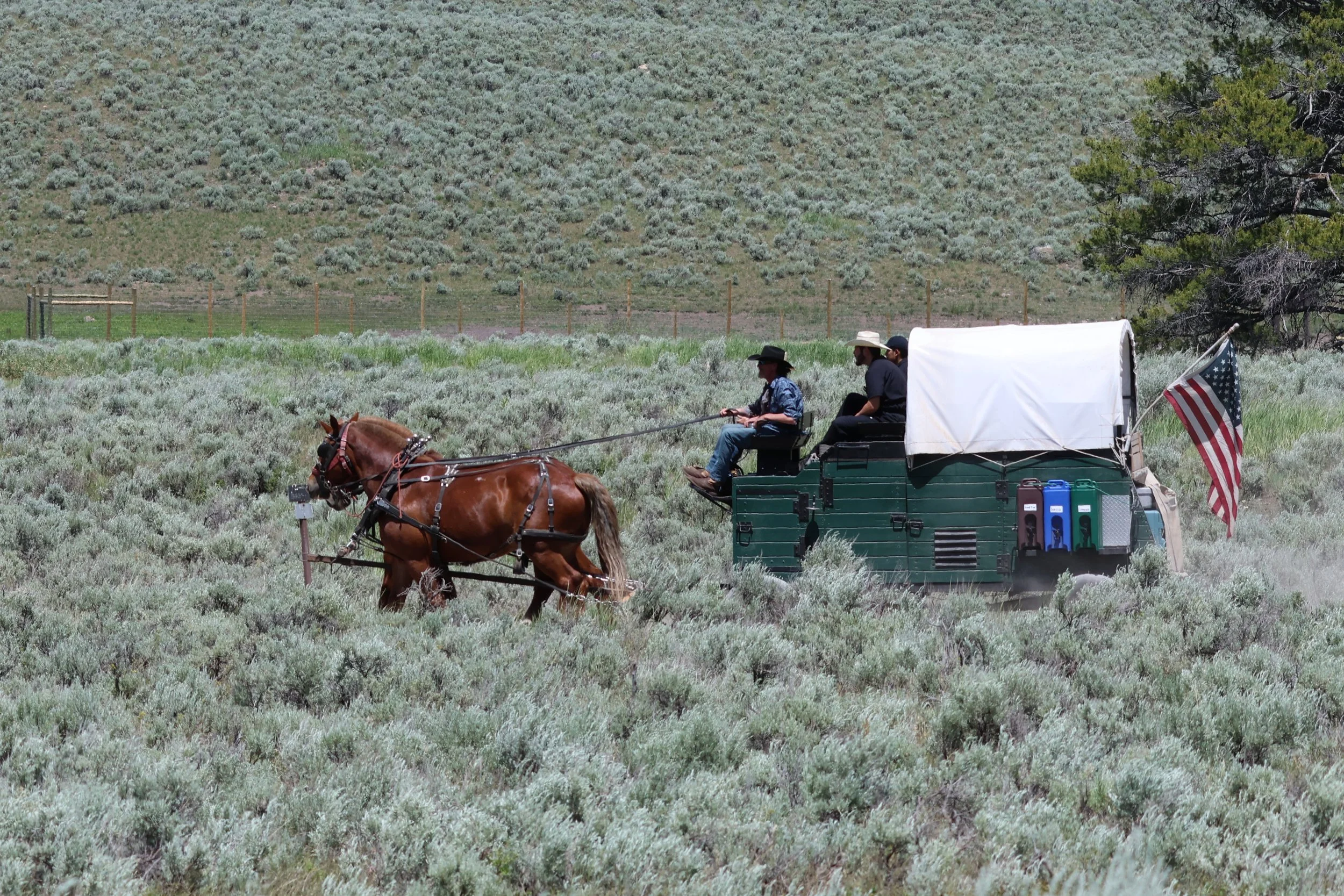
#3 Ride a covered wagon to an Old West Firepit Cookout
For one of the park's most memorable adventures, head to the Roosevelt Corral and journey to an Old West Dinner Cookout like it’s 1905. Travel to the cookout site on horseback or in a covered wagon and enjoy an evening filled with beautiful scenery, hearty food, and Western hospitality. The covered wagon ride offers a fun and authentic Old West experience (if possible, choose a seat near the front of the wagon for less dust and better views along the route). For those seeking even more adventure, horseback rides provide spectacular scenery and a true cowboy experience.
Why I Love It: This isn't just dinner. It's a Yellowstone experience of the ride, the scenery, the campfire atmosphere, and all with the Old West charm.
Planning Tip: Reservations for the Old West Dinner Cookout are required and often fill well in advance, especially during the summer season.
#4 History of life 100 years ago: Old Faithful Inn Tour & Million Dollar Room
The Old Faithful Inn isn't just a hotel. It's a journey back in time. Standing beneath its towering log beams, you can almost hear the stories of Yellowstone's earliest visitors and imagine what park travel was like in the early 1900s. Start with a guided tour of the historic Old Faithful Inn, one of the most iconic lodges in the National Park System.
After your tour, head next door to the Hamilton Store and ask the staff about the famous Million Dollar Room. This hidden gem offers a fascinating glimpse into Yellowstone's early history and is well worth the stop. While you're there, enjoy one of their excellent breakfasts or lunches before continuing your adventure.
Planning Tip: Schedule your Inn tour around an Old Faithful eruption to enjoy two Yellowstone classics in one stop. The combination of history, architecture, and geothermal wonders makes this one of the most memorable experiences in the park.
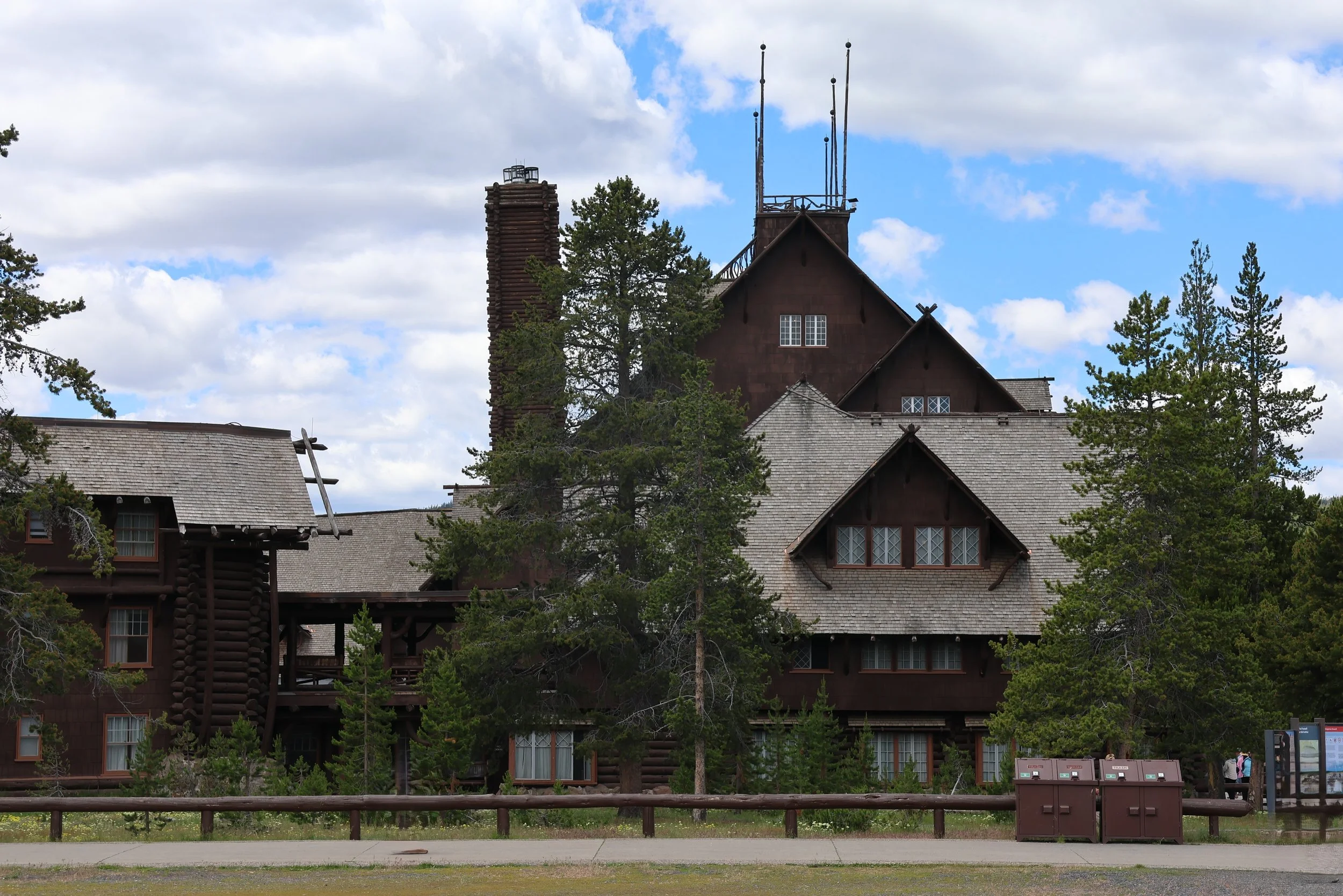
Take the Old Faithful Lodge walking tour, which lasts approximately 45 minutes and departs from the lobby four times a day, to explore the original rooms and be mesmerized by the history of the early 1900s.
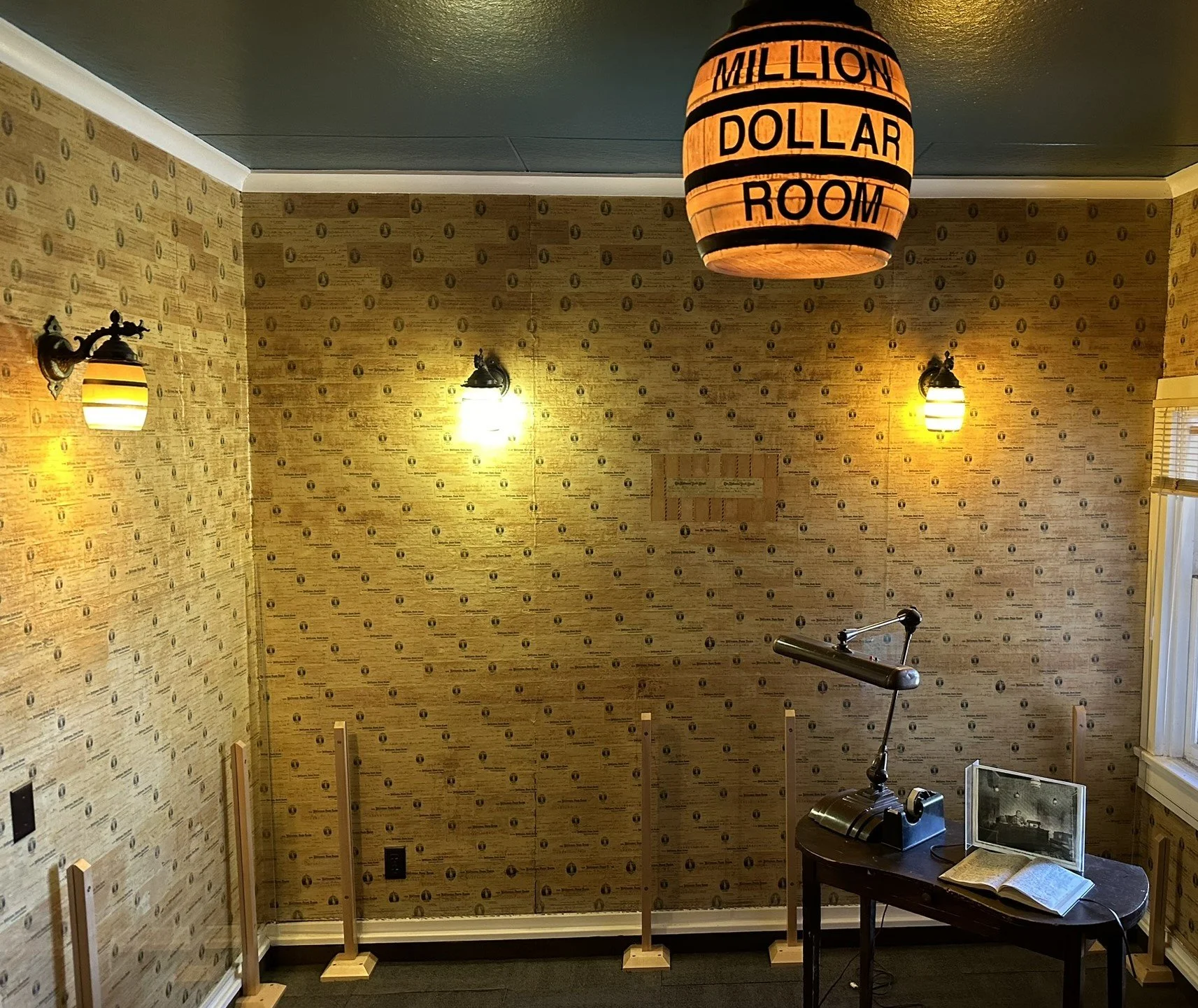
Originally built in 1897, it was the first general store in the Old Faithful area, providing supplies and services to the park's earliest visitors. With the arrival of the new railroad to West Yellowstone, park visitation exploded from approximately 20,000 visitors in 1914 to more than 50,000 in 1915. Over the years, Charles Hamilton began saving and displaying canceled business checks on the walls of his upstairs office.
#5 Look for Wildlife in Lamar Valley: Pronghorns, Foxes, Coyotes, Osprey, Bison, Wolves, & Grizzly Bears
Known as "America's Serengeti," Lamar Valley is one of the premier wildlife-viewing destinations in North America. This spectacular grassland valley stretches nearly 20 miles long and about a mile wide, with the Lamar River winding through its center, creating ideal habitat for an incredible variety of wildlife. The valley is also home to some of the largest wild herds of bison and elk found anywhere on the continent. For the best wildlife viewing, drive slowly and scan the grasslands for movement. A good rule of thumb in Yellowstone: when you see a group of people gathered with spotting scopes and long camera lenses, there's usually something worth seeing! Pull over safely and take a look. You may discover a distant wolf, a grazing grizzly, or a herd of bison moving across the valley.
Why I Love It: Lamar Valley feels wild and untamed. Every trip offers something new, and it's one of the few places where you truly feel like a visitor in the animals' world rather than the other way around.
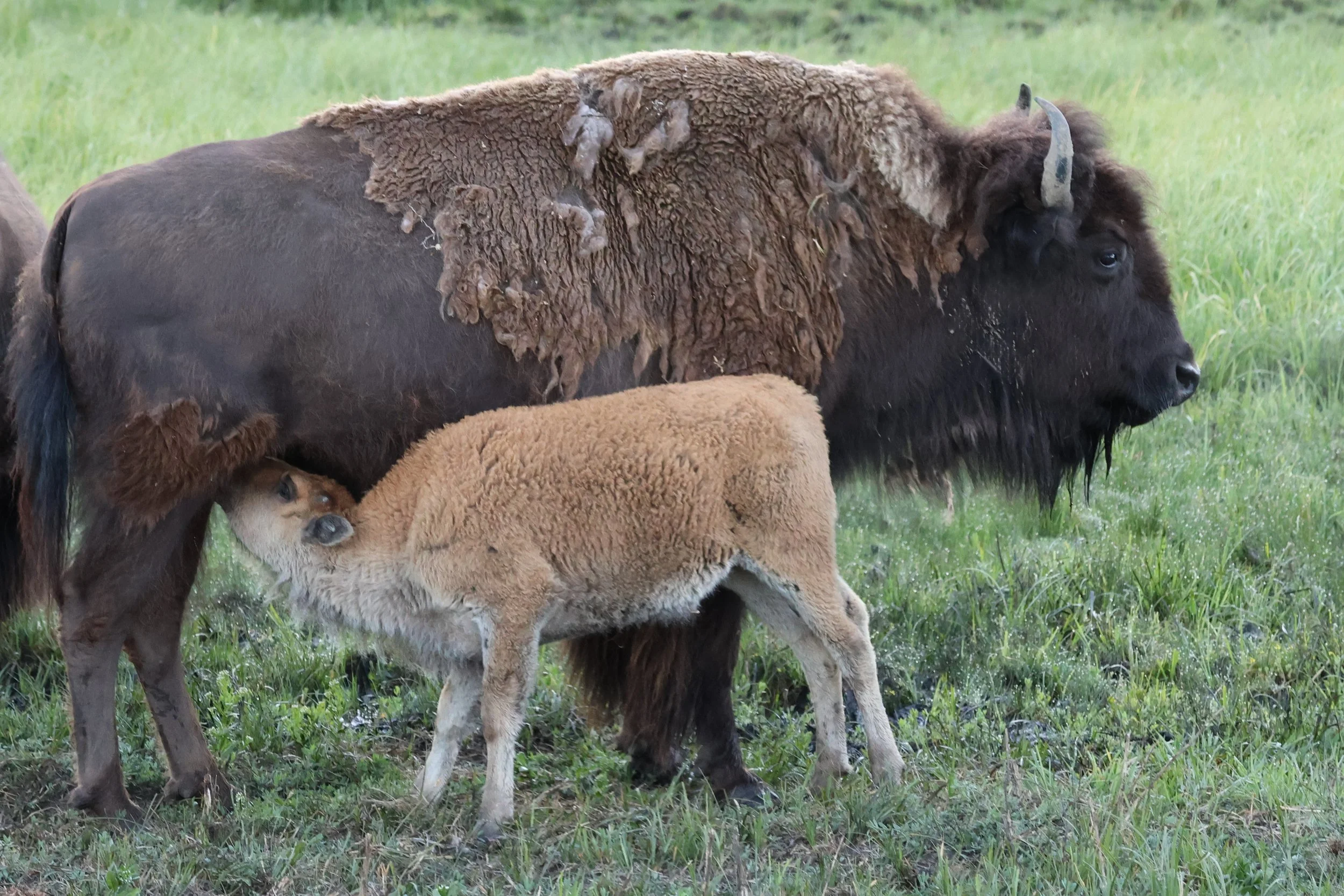
Baby bison, called Red Dogs, are born in May/June and weigh 40 pounds.
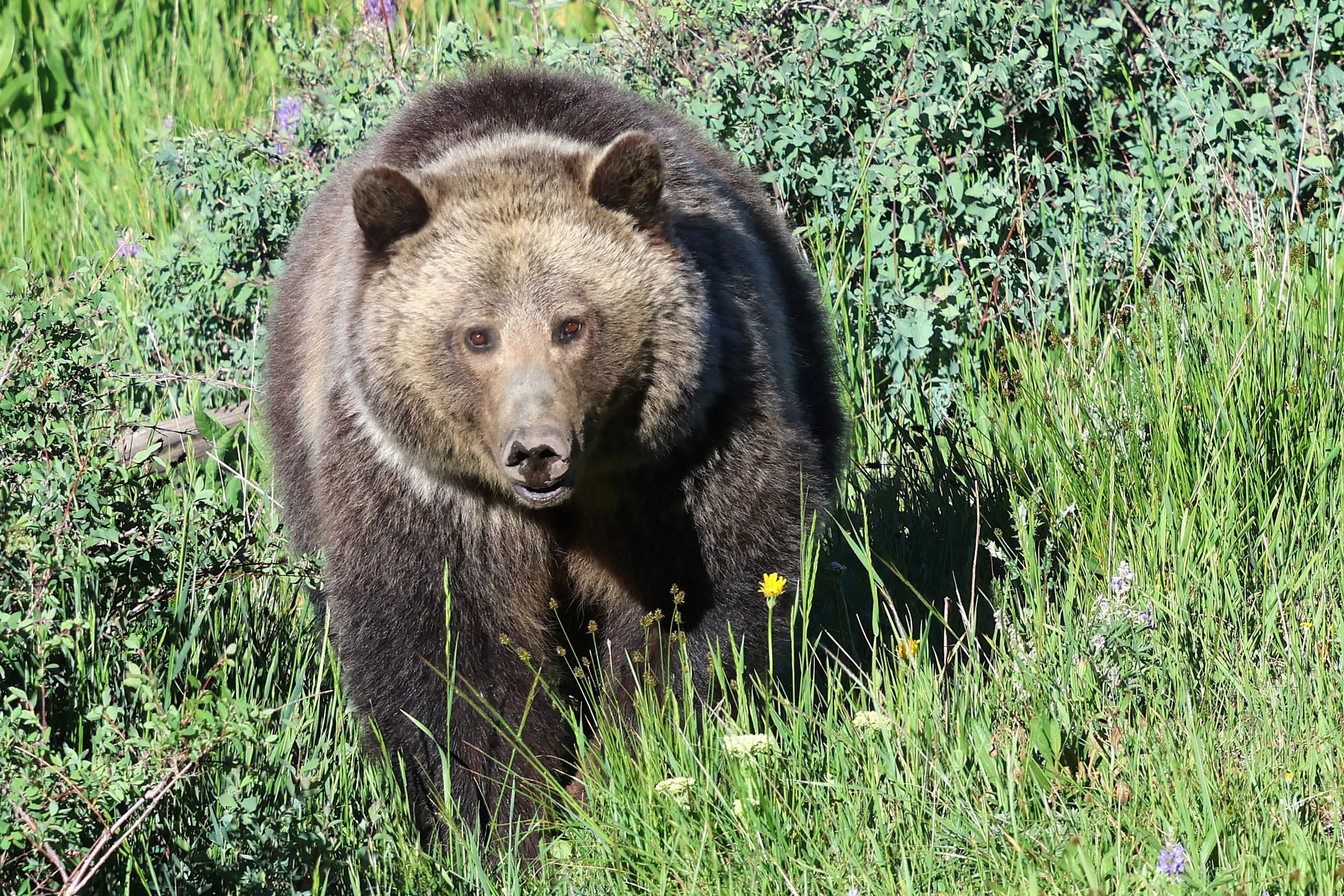
Want more Pro Tips? Here’s one: The Hamilton Store’s vintage retro counter serves the best breakfast and lunch. Afterward, ask to see the manager, and they can show you the Million Dollar Room. Another one: When driving around, if you see the iconic 1920s vintage Yellow Bus with roll-back canvas tops stopped on the side of the road, pay attention, more than likely they have sighted wildlife like a grizzly.
My book is full of pro tips on making your Yellowstone trip an adventure click here